
A single misstep on a wet floor or broken stair can send you crashing to the ground, but what happens afterward can be far more serious than bruises or embarrassment. March is Brain Injury Awareness Month, and at Merriman Legal, LLC, we see how often slip and fall accidents in Ohio turn into life‑changing brain injuries that families never saw coming.
One moment you are walking through a store or office building, and the next, your head hits an unforgiving surface, setting off a chain reaction inside your skull that can affect your memory, mood, and independence for years.
Why Slip And Fall Accidents Often Lead To Brain Injuries
Falls aren't minor events when it comes to the brain. The CDC reports that unintentional falls are a leading cause of traumatic brain injury‑related emergency visits and hospitalizations, and one of the top causes of TBI‑related deaths nationwide.
If your head strikes tile, concrete, a curb, or even a seemingly soft surface like carpet over concrete, the force of that impact can cause the brain to slam into the inside of the skull. Even if you don’t remember hitting your head, the whipping motion alone can still cause your brain to move violently, resulting in a concussion or more serious traumatic brain injury.
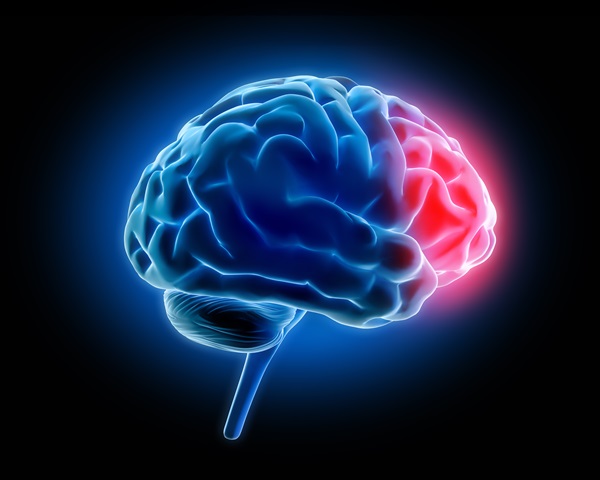
When you slip, your feet typically move forward while your upper body lurches backward. This specific motion often results in an impact on the occipital region at the base of the skull. This area protects the cerebellum, which controls balance and coordination. A strike here can result in permanent vertigo or vision issues, even if the rest of the brain appears unaffected in initial tests.
What Types Of Brain Injuries Happen In Slip And Fall Cases
The brain is a delicate organ, and different kinds of trauma can occur when you fall. Doctors and brain injury organizations describe several common patterns after a fall.
These injuries can range from mild to life‑threatening:
- Concussions occur when the brain moves suddenly inside the skull, often without visible signs on imaging
- Contusions or bruises occur on the brain surface where it strikes the inner skull
- Subdural hematomas occur when veins tear, and blood collects between the brain and the outer covering
- Epidural hematomas occur when bleeding occurs between the skull and the outer brain lining
- Intracerebral hemorrhages occur when bleeding happens within the brain tissue itself
Why Falls Are A Leading Cause Of Brain Injury
To understand why slip and fall accidents are such a leading cause of brain injury, it helps to look at both the mechanics of a fall and the environments where they occur. From a mechanical standpoint, even a fall from standing height can generate significant force, because your body and head accelerate rapidly under gravity and then stop abruptly when they hit the ground.
In Ohio, we see a significant number of fall-related brain injuries among older adults. If a person is taking blood thinners for a heart condition, a seemingly minor bump on the head during a fall can cause a catastrophic brain bleed. Because the brain shrinks slightly with age, there is more room for it to shift inside the skull during a fall, increasing the risk of tearing the bridging veins that lead to a subdural hematoma.
The harder and less forgiving the surface, the more of that force transfers to the skull and brain. Hazards such as wet floors, spilled food, icy sidewalks, uneven pavement, loose rugs, poor lighting, and missing handrails increase the risk of losing balance.
What Symptoms Should I Watch For After A Fall?
After a slip and fall, it can be tempting to brush yourself off and move on, especially if you are embarrassed or eager to get home. But your brain may be sending signals that something is wrong. Brain injury and concussion guidelines highlight a variety of warning signs that can appear immediately or in the days after a fall.
It's important to remember that you don't have to pass out to have a serious brain injury. In fact, the majority of concussions sustained in slip and fall accidents do not involve a loss of consciousness. Many victims feel dazed or see stars for just a few seconds and assume they are fine. If you experience a persistent headache or a change in your sleep patterns in the week following a fall, your brain may be struggling to heal from a trauma you didn't realize was serious.
These symptoms deserve prompt medical attention:
- Headaches or a feeling of pressure in the head that wasn’t present before
- Dizziness, lightheadedness, or trouble with balance
- Nausea, vomiting, or changes in vision such as blurriness or double vision
- Confusion, difficulty concentrating, or feeling mentally “foggy”
- Problems remembering what happened before or after the fall
- Slurred speech, weakness, numbness, or difficulty moving arms or legs
- Sensitivity to light or noise, ringing in the ears, or unusual fatigue
- Mood changes like irritability, anxiety, depression, or personality shifts
An Example Of How A Simple Fall Becomes A Serious Brain Injury
Consider a shopper in Cleveland walking through a grocery store aisle where a refrigerator has been leaking for hours. The store failed to put up warning cones or clean the water. The shopper’s foot suddenly slips, they fall backward, and the back of their head strikes the hard tile floor. They feel dazed but get up with help from an employee, who convinces them they are “okay” since there is no blood.
Later that evening, the shopper develops a pounding headache and nausea. By the next morning, they are struggling to remember conversations and feel unusually irritable with family members. A visit to the emergency room reveals a subdural hematoma caused by the fall, and the patient needs close monitoring and follow‑up care.
What seemed like a minor accident has become a serious brain injury that requires time off work, extensive treatment, and careful watch for long‑term complications.
How Can A Cleveland Slip And Fall Lawyer Help Me?
A brain injury from a slip and fall doesn’t just affect the person who fell. Families may suddenly be dealing with a loved one who has trouble remembering appointments, managing finances, or staying steady on their feet. The legal team at Merriman Legal, LLC knows how to investigate these injuries and uncover the evidence needed to build a strong case. We consult with medical professionals to understand the full extent of the loss and to plan for future needs, especially when a child or older adult is involved.
If you or a loved one has suffered a head or brain injury in a slip and fall accident anywhere in Ohio, you don’t have to face the property owner or their insurance company alone. Contact us online or call our Cleveland law office for a free consultation. We'll listen to your story, explain your legal options, and fight to hold negligent parties accountable so you can focus on medical recovery and rebuilding your life with the support you need.
"Tom was extremely knowledgeable and made the process as smooth as possible. He’s very easy to work with and takes the time to explain all of the details, no matter how small. I would highly recommend him and the firm." ─ Alicia, ⭐⭐⭐⭐⭐